LAST UPDATED 12-20-25
Quick Safety Summary
The North Santiam River is cold, fast-changing, and contains hazards such as downed trees, bridge hydraulics, and fluctuating water levels. Kayakers, rafters, and anglers should always wear life jackets, dress for cold water immersion, avoid flooded access points, and plan floats based on current conditions rather than past experience.
Respect The North Santiam River
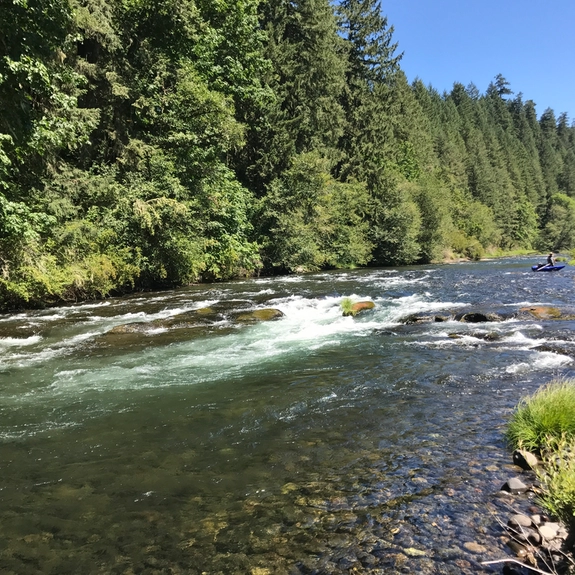
This blog post will cover North Santiam River safety guide: What Kayakers, Rafters, and Anglers must know. The North Santiam River is one of Oregon’s most beautiful and accessible rivers for kayaking, rafting, fishing, and floating. From calm summer stretches near Stayton to fast, technical water upriver, it offers something for nearly every skill level. But this river demands respect.
Every year, experienced and inexperienced river users alike underestimate cold water temperatures, fast-changing flows, hidden hazards, and seasonal conditions. Whether you’re a first-time floater or a seasoned angler, understanding river safety is not optional — it’s essential.
This guide is written from the perspective of local river professionals who spend countless hours on the North Santiam. If you kayak, raft, fish, or float this river, here’s what you must know before launching.
Is the North Santiam River safe?
The North Santiam River can be safe when conditions are appropriate, but it is a cold, fast-changing river with real hazards. Safety depends on river flow, weather, season, and user experience. Wearing a life jacket, checking current conditions, and avoiding high water are critical. Many accidents occur when people underestimate cold water, fast current, or changing river levels.
Do you need a life jacket on the North Santiam River?
Yes. Oregon law requires a U.S. Coast Guard–approved life jacket for each person on a boat, and children 12 and under must wear one at all times on boats under 26 feet. While adults are not always legally required to wear a life jacket, wearing a PFD is strongly recommended on the North Santiam River due to cold water, swift current, and hidden hazards.
1. Personal Flotation Device (PFD) Rules: What the Law Requires
In Oregon, life jacket laws are clear — and they are enforced.
Oregon PFD Requirements
-
All boats must carry a U.S. Coast Guard–approved PFD for each person
-
Children 12 and under must wear a PFD at all times on boats under 26 feet
-
Inflatable PFDs do not count for children
-
During high water, cold months, or swift current, wearing a PFD is strongly recommended — regardless of age
Why Wearing a PFD Matters
Cold water, strainers, and foot entrapment can overwhelm even strong swimmers. A PFD:
-
Keeps your airway above water
-
Buys critical time if you’re injured or stunned
-
Allows rescuers to reach you safely
Local rule of thumb:
If the water looks cold, fast, or muddy — wear your PFD.
2. Cold Water Shock: The #1 Hidden Killer
The North Santiam is cold year-round, fed by snowmelt and reservoirs upstream. Even in summer, water temperatures can remain dangerously low.
What Is Cold Water Shock?
Cold water shock happens within the first 30–60 seconds of immersion and can cause:
-
Gasp reflex (involuntary inhalation)
-
Loss of breath control
-
Rapid heart rate
-
Panic and muscle failure
Many drownings occur within 10 feet of shore because victims panic before they can react.
How to Reduce Risk
-
Always wear a PFD
-
Dress for immersion, not air temperature
-
Avoid waders without a belt (anglers)
-
Never assume “it’s shallow enough to stand”
North Santiam River high water safety
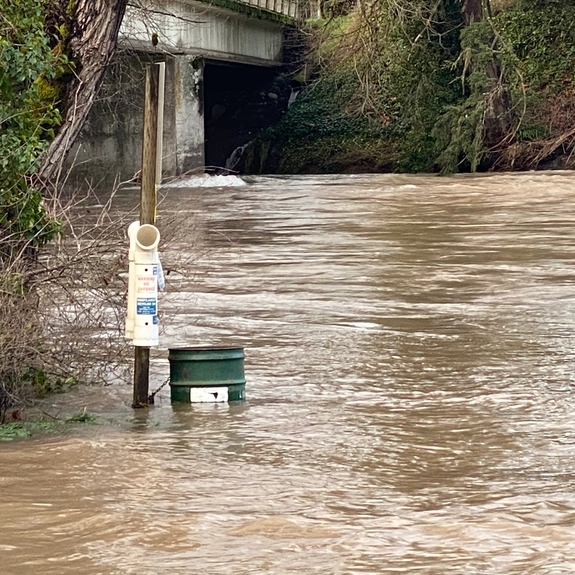
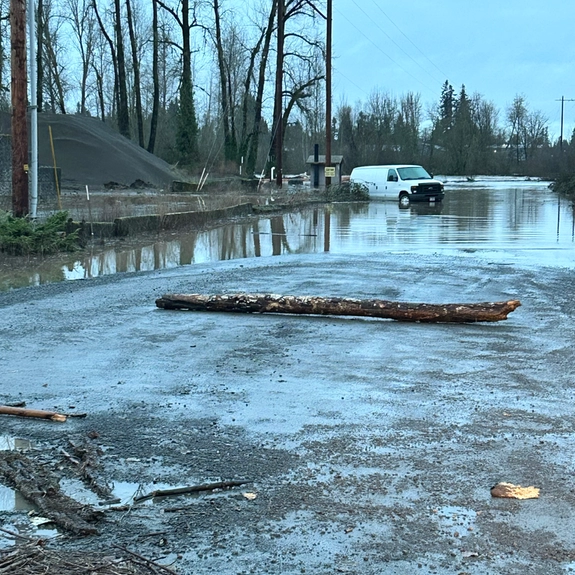
High water on the North Santiam River significantly increases danger. Fast current, submerged hazards, flooded access points, and powerful hydraulics around bridges are common during high flows. River levels can rise quickly after rain or upstream releases. During high water, trips should be shortened, postponed, or avoided entirely, especially for inexperienced paddlers and anglers.
3. River Levels Change Fast — Especially After Rain
The North Santiam can rise rapidly after storms, dam releases, or snowmelt.
What High Water Means
-
Faster current
-
Less reaction time
-
Submerged hazards
-
Stronger hydraulics at bridges and bends
-
Flooded access roads and launch points
Water that looks “slow” may still be moving at walking speed or faster, enough to knock you off your feet.
Never rely on yesterday’s conditions.
Always check:
-
Recent rainfall
-
Flow gauges
-
Local observations
4. Downed Trees & Strainers: The Silent Danger
One of the most dangerous hazards on the North Santiam is downed trees, also called strainers.
Why Strainers Are Deadly
-
Water passes through branches
-
Boats, legs, and bodies do not
-
Current can pin you underwater
Strainers often appear:
-
On outside bends
-
After storms
-
In high water when trees become submerged
-
Near banks that look “safe”
Safety Tips
-
Look far downstream
-
Avoid hugging banks in fast water
-
Give extra clearance after storms
-
Never try to stand up in fast current near debris
What are the hazards on the North Santiam River?
The main hazards on the North Santiam River include cold water shock, fast current, downed trees (strainers), bridge hydraulics, foot entrapment, and rapidly changing water levels. Flooded access roads and submerged obstacles are common after rain. These hazards can affect kayakers, rafters, anglers, and floaters alike.
5. Hydraulics & Bridge Structures
Bridges, culverts, and man-made structures create dangerous water behavior.
What to Watch For
-
Hydraulics (recirculating water) below drops
-
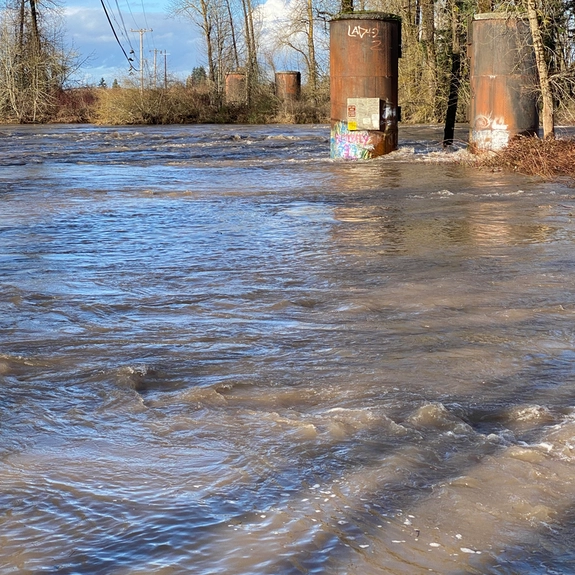
Pillars that push water sideways
-
Culverts that narrow flow and increase speed
-
Debris collecting upstream of bridge openings
During high water, bridges can become pin zones where water accelerates and turbulence increases dramatically.
If you’re unsure — portage or avoid the section entirely.
North Santiam River kayaking safety tips
Kayakers on the North Santiam River should always wear a U.S. Coast Guard–approved life jacket and dress for cold water immersion. Scout unfamiliar sections, avoid outside bends where downed trees collect, and give extra clearance to bridge pilings. Conditions can change rapidly, so rely on current observations rather than past experience, and never assume summer air temperatures mean safe water.
7. Seasonal Safety Considerations
Winter & Early Spring
-
Extremely cold water
-
High, muddy flows
-
Limited visibility
-
Floating debris
Summer
-
Lower water but faster riffles
-
Increased recreational traffic
-
Exposed rocks and shallow hazards
-
Sun exposure and dehydration
Fall
-
Sudden rain events
-
Leaf-covered rocks (slippery)
-
Shorter daylight hours
Each season brings different risks — plan accordingly.
8. Float Planning & Shuttle Safety
One of the most common mistakes is poor float planning.
Always Know:
-
Launch and take-out locations
-
Distance and float time
-
Water levels
-
Daylight remaining
-
Emergency access points
Never assume cell service will be available — much of the river corridor has limited coverage.
Using a local North Santiam River shuttle service helps ensure:
-
Legal parking
-
Accurate timing
-
Current hazard awareness
-
Reduced stress at the take-out
9. What To Do If You Fall In
If you end up in the water:
-
Stay calm
-
Float on your back, feet up
-
Angle toward shore
-
Avoid standing until water slows
-
Get warm immediately after exiting
If someone else falls in:
-
Do not jump in after them
-
Throw a rope or flotation device
-
Call for help if needed
10. Final Thoughts: Respect the River
The North Santiam River is a gift — but it is not forgiving.
Most accidents happen when people:
-
Skip the PFD
-
Underestimate cold water
-
Ignore changing conditions
-
Push past their skill level
Prepared river users enjoy safer, more memorable trips.
If you’re unsure about conditions, access points, or float timing, local knowledge matters.