
Author: Mike Oser
Updated November 5, 2026
What Is Happening at Detroit Reservoir?
The Detroit Reservoir drawdown is intended to help young salmon migrate downstream through Detroit Dam. The U.S. Army Corps of Engineers plans to lower the reservoir to an elevation of 1,425 feet in 2026, with a deeper target of 1,395 feet in subsequent years. The concern for North Santiam communities is whether those operations will send enough sediment downstream to harm water supplies, fish habitat and recreation.
On November 4, a federal judge denied Marion County’s request for a preliminary injunction to stop this fall’s drawdown. The county announced that it would appeal and seek an emergency injunction. The ruling did not settle the underlying lawsuit.
For people who fish, float, live and work along the North Santiam, the experience at nearby Green Peter Reservoir explains why this issue deserves close attention.
What Happened During the Green Peter Drawdown?
Green Peter Reservoir sits on the Middle Santiam River, upstream of Foster Reservoir and the South Santiam. Its deep drawdown exposed concerns that reached well beyond the lake itself.
Thousands of Kokanee Died
During the 2023 drawdown, the Corps reported that Oregon Department of Fish and Wildlife officials had confirmed at least 8,000 dead kokanee. That was a documented count at the time, rather than a final total.
The identified cause was barotrauma: injury from the rapid pressure change as fish passed through the dam’s outlet. Kokanee are non-native to Green Peter, but their deaths represented a substantial loss to the reservoir’s fishery.
Sediment Created Problems Downstream
Deep drawdowns can move accumulated sediment and organic matter out of a reservoir. That material increases turbidity—the cloudiness caused by particles suspended in water—and can affect aquatic life and downstream water quality.
At Green Peter, the consequences included serious water-treatment difficulties. In December 2024, KLCC reported that a Sweet Home water filter had ruptured after sediment clogged it. The Corps stopped that year’s deep-drawdown period early and began refilling the reservoir following concerns about municipal water supplies.
Communities Sought Millions for Repairs and Upgrades
KLCC also reported that Sweet Home and Lebanon had filed tort claims totaling $37 million for repairs and improvements needed to handle sediment-heavy water.
That figure represents money the communities sought, rather than an awarded settlement. It illustrates the potential cost when water-treatment systems must adapt to a major change in their source water.
Why Is Detroit Reservoir Being Drawn Down?
Young salmon born upstream need a route through the reservoir and past the dam to continue toward the ocean. Lowering the reservoir is intended to improve that downstream passage. The operation is part of the Corps’ response to federal requirements aimed at recovering protected fish populations.
The central question is whether the operation can deliver those benefits while adequately protecting the river and the communities below it.
Green Peter provides evidence of risks that need to be addressed. It does not establish exactly what will happen at Detroit, where reservoir conditions, sediment exposure and operating plans differ.
How Low Will Detroit Lake Go?
The Corps describes a gradual approach:
- 2026: Lower Detroit Reservoir to 1,425 feet above sea level.
- Subsequent years: Lower it to a target elevation of 1,395 feet.
- Timing for 2026: Begin the fish-passage drawdown after November 1 and before December 31, using forecasts to select conditions.
The Corps says Detroit previously reached 1,425 feet in 2015 and 2019 without reported drinking-water impacts. It also says water-quality monitoring will guide decisions to modify, pause or stop operations if downstream drinking-water systems are threatened.
That distinction matters: this year’s target and the deeper target planned for later years should not be treated as the same operation.
Why Are North Santiam Communities Concerned?
The North Santiam supplies drinking water to communities downstream, including Stayton and Salem. Their concerns include how much sediment could reach water intakes, how treatment facilities would respond and what happens if water production is interrupted.
Stayton has identified limited water storage and the lack of a fully developed secondary supply as vulnerabilities. The city has also said its treatment system operated successfully during a previous comparable reservoir level, suggesting it should be able to manage the planned 2026 drawdown. However, it continues to prepare for potential problems and pursue additional protections.
The November 4 court decision leaves those concerns unresolved. Marion County says its legal challenge includes the Corps’ handling of a congressionally required turbidity report and the planned deeper drawdown in 2027.
What Could This Mean for Fishing and Floating?
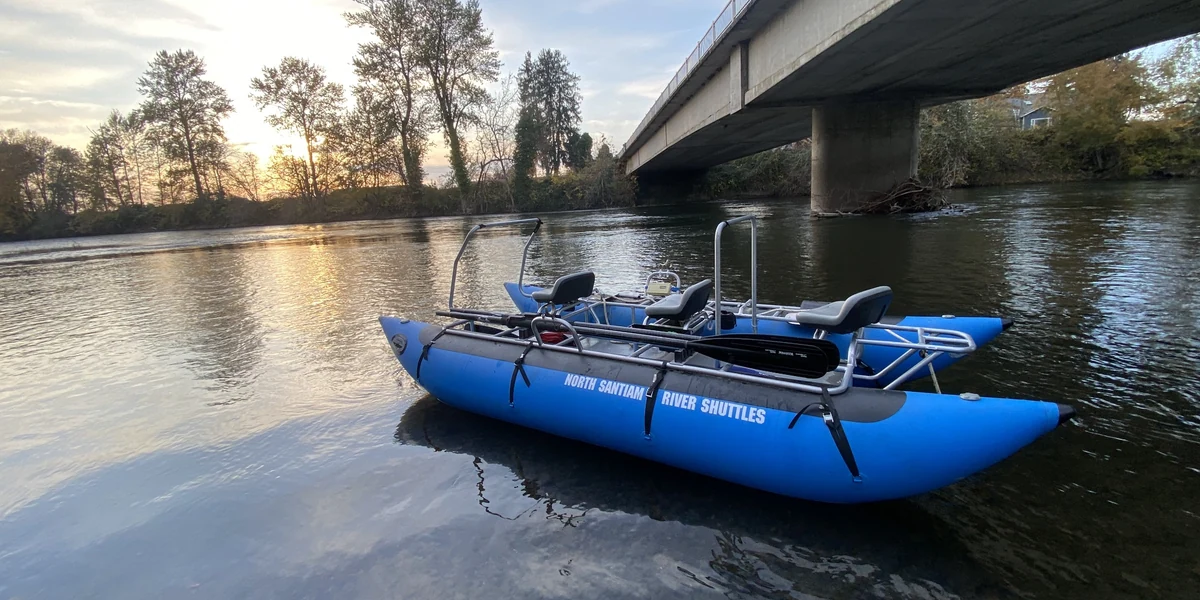
For North Santiam River Shuttles and the people who use this river, water conditions are central to planning a trip.
Sediment released during a drawdown could affect water clarity and recreational use. However, Green Peter’s experience does not provide a reliable calendar for when the North Santiam might become muddy or how long any effects would last. Those answers require local monitoring as operations proceed.
Before a fishing or floating trip:
- Check recent river-flow and water-level trends.
- Look for current observations of water clarity along your intended reach.
- Check access notices and any official advisories.
- Reassess your plans when conditions change.
A familiar stretch of river still deserves a fresh look before launching.
Where Can You Follow Water-Quality Monitoring?
The USGS reservoir drawdown water-quality monitoring page explains how scientists track turbidity, water temperature and dissolved oxygen around several Willamette Basin reservoirs.
Its listed monitoring locations include Green Peter and the South Santiam. That information helps explain the earlier drawdowns, but those readings should not be mistaken for measurements of the North Santiam.
Protecting the River We Depend On
Green Peter’s fish losses and water-treatment problems give North Santiam residents good reason to ask for clear safeguards, accessible monitoring and accountability.
At North Santiam River Shuttles, our interest is straightforward: a healthy river that supports fish, dependable drinking water and the fishing and floating trips that connect people to this valley. Decisions about Detroit Reservoir should be judged by measured results—both for migrating salmon and for everyone downstream.